
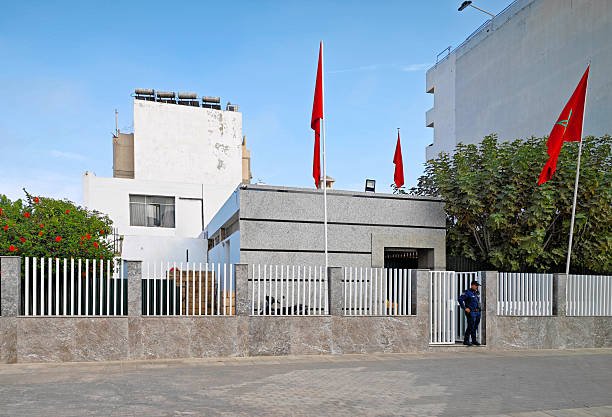
Morocco has been increasingly recognized as one of the most attractive destinations for international travelers. Its strategic location in North Africa, easy accessibility from Europe, and rich cultural heritage have been responsible for drawing millions of visitors every year. A fusion of Arab, Berber, African, and European influences has been observed across the country, making the travel experience uniquely diverse. The affordability of accommodation, transportation, and food has continued to contribute to Morocco’s rising tourism appeal for budget travelers, students, digital nomads, and families.
Why Morocco Has Been Considered a Visa-Friendly Country
A reputation for being visa-friendly has been attached to Morocco due to the exemption offered to citizens of many countries. This exemption has applied mostly to travelers from Europe, North America, and several African nations, who have been permitted to stay in the country for up to 90 days without a visa. For other international nationals, accessible visa application procedures have been provided both online and through Moroccan embassies. The simplified documentation and shorter processing timelines have made the country a preferred destination for spontaneous travel and extended stay plans.
Major Types of Moroccan Visas for International Applicants
Tourist Visa for Short-Term Travel
The tourist visa has been issued to foreigners visiting Morocco for leisure, sightseeing, or personal travel. Stays under this category have typically been permitted for up to 90 days. The visa has not allowed work or long-term study activities, and applicants have been expected to provide financial proof, accommodation details, and a valid passport. Many nationalities have been exempted from applying for this visa, enabling entry without prior approval.
Eligibility Requirements
Eligibility has been based on several conditions:
- A passport valid for at least six months beyond entry.
- A return ticket or onward travel proof.
- Evidence of hotel booking or host invitation.
- Sufficient funds estimated at a daily minimum determined by regulations.
- No intent to work or overstay beyond authorized duration.
Duration and Validity
The visa has usually been granted for a single entry lasting up to 90 days, although fewer days may be granted at immigration discretion. Extensions have been possible through local police stations or immigration offices, but approvals have remained uncommon unless justified by medical or emergency circumstances.
Application Process
Applications have been submitted through Moroccan consulates or embassies in an applicant’s home country. Required documents have commonly included:
- Visa application form
- Passport-size photographs
- Travel itinerary
- Bank statements for the previous three months
- Proof of accommodation
- Travel insurance (recommended but not always mandatory)
Processing times have ranged between 5 to 15 business days, depending on location and season.
Business Visa for Professional Activities
A business visa has been designed for individuals entering Morocco for professional meetings, trade activities, investment discussions, conferences, or short-term corporate engagements. It has not permitted employment in Moroccan companies but has enabled business-related interactions.
Who Can Apply
This visa has been typically issued to:
- Entrepreneurs
- Investors
- Company representatives
- Trade delegates
- Foreign partners of Moroccan businesses
Required Documents
Additional paperwork has been required to support the business purpose:
- Invitation from a registered Moroccan company
- Official company registration documents
- Proof of employment or business ownership in the applicant’s country
- A letter stating the purpose and duration of visit
Duration and Restrictions
Most business visas have been issued for up to 90 days with single or multiple entries depending on the applicant’s travel needs. Long-term business residency has required a separate permit, explored through investment or local company formation.
Student Visa for Educational Purposes
Students intending to pursue academic programs in Morocco have been required to apply for a student visa. Morocco has been home to several international universities and language institutes, especially for Arabic and French studies.
Eligibility and Acceptance Requirements
Applicants have been expected to:
- Provide proof of admission from a Moroccan educational institution
- Show financial stability or sponsorship
- Present clean criminal records in some cases
- Submit medical clearance depending on study duration
Duration and Renewal Policies
Student visas have typically been granted for one year and renewed annually until completion of studies. Residence permits have been required after arrival and processed through local immigration departments.
Work Visa and Residency Permits for Employment
A work visa has been required for foreigners intending to take up employment in Morocco. Securing a job offer has been the most critical step because employers have been obligated to justify the hiring of foreign workers over local candidates.
Requirements for Employment Approval
The following conditions have been applied:
- Signed employment contract
- Employer-submitted authorization request to Moroccan Ministry of Labor
- Proof of qualifications and experience
- Background and medical checks in some cases
Pathway to Residency
After approval, applicants have been issued work visas followed by residency permits upon arrival. Renewals have been dependent on continued employment and legal compliance.
Step-by-Step Morocco Visa Application Procedures
Documents Required for All Visa Categories
Although requirements have varied by visa type, common documents have included:
- Completed visa application form
- Passport valid for at least six months
- Recent passport photographs
- Proof of accommodation
- Evidence of financial capacity
- Travel itinerary
- Visa fee payment receipt
Application Submission Channels
Visa applications have been submitted through:
- Moroccan embassies or consulates abroad
- Authorized visa application centers
- Online submissions (if available for certain nationalities)
Processing Timelines and Expected Wait Period
Processing times have typically depended on:
- Applicant nationality
- Embassy workload
- Travel purpose
On average, 5–20 business days have been observed.
Approval, Denial, and Appeal Options
Visa denials have occurred due to incomplete documentation, suspicious travel intent, or lack of financial proof. Applicants have been allowed to reapply with corrected documents or submit clarification through consular channels.
Essential Travel Requirements for Entering Morocco
Passport and Identification Rules
Travelers have been required to hold a valid passport with unused visa pages and expiration beyond six months. Children traveling with guardians have needed consent letters.
Health and Insurance Requirements
Vaccination certificates have not been routinely required except for travelers from yellow-fever-affected regions. Travel insurance has been strongly recommended for medical emergencies.
Customs and Border Control Expectations
Restrictions have applied to:
- Excessive cash declarations
- Controlled medications requiring prescriptions
- Drone equipment requiring prior authorization
Top Must-See Adventures and Attractions in Morocco
Exploring the Magical City of Marrakech
Known as the cultural heartbeat of Morocco, Marrakech has been admired for its vibrant souks, historical palaces, and bustling Djemaa el-Fna square. Traditional Moroccan cuisine, snake charmers, and artisans have created an unforgettable atmosphere for first-time visitors. The Medina, a UNESCO-listed site, has offered endless exploration opportunities in narrow alleyways filled with spices, fabrics, and handmade crafts.
Desert Safari in the Sahara Dunes
No visit to Morocco has been considered complete without a desert experience. Camel trekking, sand-boarding, and overnight stays in Berber camps have been major highlights. Locations such as Merzouga and Zagora have been known for their dramatic sand dunes illuminated by sunrise and sunset views.
Chefchaouen—the Blue Pearl of Morocco
The city has been globally recognized for its blue-painted buildings and serene mountain backdrop. It has become a favorite destination for photographers, hikers, and travelers seeking tranquility. Authentic local handicrafts and traditional textiles have been widely purchased in its medina.
The Atlas Mountains and Outdoor Adventures
The High Atlas range has offered incredible trekking routes, including the famous Mount Toubkal. Guided tours, village homestays, and snow-covered peaks during winter months have attracted adventure seekers year-round.
Ancient History in Fes and Meknes
Fes has been home to the world’s oldest university, Al-Qarawiyyin, and has preserved its medieval architecture. Narrow streets, leather tanneries, and religious schools have created an immersive journey into Morocco’s past. Meknes, another imperial city, has displayed grand gates and royal structures built during the reign of Sultan Moulay Ismail.
Stunning Coastlines in Essaouira and Agadir
The Atlantic coastline has been known for surfing, seafood, and windy beaches. Essaouira has been famous for its artistic scene and peaceful medina, while Agadir has served as a modern resort destination with long sandy beaches ideal for families and water sports lovers.
Safety, Travel Tips, and Local Etiquette in Morocco
Cultural Respect and Dress Code Expectations
When traveling in Morocco, respect for local customs is highly valued, and visitors are expected to behave in a way that supports cultural norms. In many parts of the country, particularly in rural or conservative areas, modest clothing is recommended. Women are often advised to wear long skirts or pants, and tops that cover the shoulders. Men are typically encouraged to avoid sleeveless shirts.
In religious sites such as mosques, prayer areas, and historic shrines, it is common to be asked to remove shoes and to wear clothing that covers arms and legs. It is considered polite to ask permission and follow any local guidance given by the custodians or guides. Public displays of affection should be minimized, especially in more traditional neighborhoods, since they may be seen as disrespectful.
Hospitality is deeply rooted in Moroccan culture. Guests are often greeted warmly, and small gestures of politeness — such as greeting with “As-salamu alaykum” or saying “Shukran” (thank you) — can go a long way. Refusing tea or hospitality may be considered impolite in many households, so it is often wise to accept small offers of refreshment graciously, even if politely declining later.
Avoiding Tourist Scams and Staying Safe
Petty crime such as pickpocketing and bag-snatching can occur in busy tourist areas, markets (souks), and on public transport. Travelers are advised to remain vigilant in crowded places, to use locks for bags, and to keep travel documents separated from expensive items.
Guides who appear unexpectedly or tout “special deals” in medinas may not always be officially licensed; tourists should use reputable, vetted tour services. For night-time travel, licensed taxis or ride-hailing services are advised, especially for solo travelers.
While Morocco is generally safe for tourists, it is wise to register with one’s embassy or consular office upon arrival (if such services are offered), and to keep emergency contact details handy. Local laws and traditions should be respected to avoid misunderstandings; this includes not photographing people without permission, especially in rural areas or private homes.
Transportation Tips: Moving Around Morocco
Morocco’s transportation infrastructure is relatively well-developed. Trains, buses, taxis, and domestic flights are commonly used for travel between cities and tourist sites.
- Trains: The national rail operator (ONCF) offers comfortable and efficient long-distance train services connecting major cities like Casablanca, Marrakech, Fès, Rabat, and Tangier. First-class and second-class tickets are available; first-class offers more spacious seating.
- Buses and Coaches: Private bus companies such as CTM and Supratours operate routes to remote destinations and smaller towns. Buses may be slower than trains but are often cheaper and more flexible for travelers.
- Taxis: In cities, “petit taxis” are used for short journeys; their meters should be used when possible. For longer journeys, “grand taxis” (shared taxis) or private hires may be arranged.
- Domestic Flights: For more distant journeys (e.g., from Casablanca to southern or mountainous regions), low-cost domestic flights can save time. Airports in Marrakech, Agadir, and other cities are often used for regional travel.
It is recommended that travelers agree on taxi fares before departure if the meter is not used, especially at night or when traveling to remote areas.
Budgeting and Cost of Living for Travelers in Morocco
Daily Costs and Accommodation
Travelers can find a wide range of accommodation options, from budget hostels to luxury riads (traditional guesthouses). In major tourist cities, mid-range hotels and riads typically cost €40–€120 per night, depending on location, amenities, and season. In smaller towns or the desert, more affordable lodging may be found for €20–€50 per night.
Meals are often very affordable, especially in local markets, cafés, and street food stalls. A traditional tagine or couscous dish may cost around €4–€10, while dining in tourist restaurants could cost €15–€30 or more per meal. Street snacks, mint tea, and pastries are inexpensive and widely available.
Budgeting for transportation depends heavily on how extensively one travels. Train or bus rides between major cities are relatively cheap; for example, a train ticket from Marrakech to Rabat might cost between €8–€15, depending on the class and time of booking.
Travel Insurance, Visas & Hidden Expenses
Travel insurance is highly recommended for all international visitors to Morocco, especially for medical emergencies, trip interruptions, or theft. Insurance costs vary depending on duration, coverage limits, and the traveler’s country of origin; a basic two-week policy might cost €20–€50, while more comprehensive policies may go higher.
Visa application fees, if required, depend on the traveler’s nationality. Additional costs such as visa photo fees, document translation, and courier services (for embassy submission) may also need to be factored in.
Travelers should also budget for tips, local guides, entrance fees to historical sites (museums, palaces, gardens), and optional activities (camel treks, desert camping). For example, hiring a local guide in a medina may cost €20–€40, depending on the duration and region.
Best Time to Visit Morocco
Peak & Low Tourism Seasons
Tourism in Morocco tends to peak in spring (March–May) and autumn (September–November), when weather is milder and more comfortable for exploring cities and deserts. During these months, daylight temperatures are moderate, making outdoor activities such as hiking, desert trekking, and city tours more enjoyable.
Winter (December–February) is cooler, particularly in the Atlas Mountains where snow may fall. However, this season can be ideal for budget travelers, as accommodation and tour prices are frequently lower. Desert nights may be cold, but daytime temperatures remain comfortable in many regions.
Summer (June–August) can be very hot, especially in inland and desert areas. Coastal cities like Essaouira may remain relatively cooler, but inland destinations such as Marrakech can reach extremely high daytime temperatures.
Regional Weather Variations
- Coastal areas (e.g., Casablanca, Essaouira): Moderate Mediterranean climate with mild winters and hot summers.
- Desert regions (e.g., Merzouga, Zagora): Extremely hot during the day in summer; cold at night in winter.
- Mountainous regions (Atlas Mountains): Warm during day in summer, cold at night and in winter, with possible snow.
Budget-Friendly Travel Periods
For budget-conscious travelers, the winter season (excluding around Christmas/New Year) is very attractive. Spring shoulder months (March and November) also offer good deals, fewer crowds, pleasant weather, and more flexibility in accommodation and tour pricing.
Must-Know: AFCON 2025 in Morocco
Morocco as the AFCON 2025 Host Country
It is anticipated that Morocco will serve as a host for Africa Cup of Nations (AFCON) 2025, offering a unique opportunity for football fans and tourists to experience the country in full celebratory mode. The event is expected to draw large numbers of international visitors to stadiums, cities, and tourist sites.
Impact of AFCON on Tourism and Travel
The hosting of AFCON 2025 is expected to boost tourism significantly. Travel infrastructure, including hotels, transport, and event venues, may be enhanced in preparation. Many visitors attending matches will likely extend their stay to explore Morocco’s cultural and natural attractions.
Special event-related visas or travel packages might be offered by authorities and travel agencies, making it easier for fans to combine football and tourism. During AFCON, prices for accommodation and transport could increase, especially in major host cities, so early booking is strongly recommended.
Living, Working, and Studying in Morocco
Cost of Living for Long-Term Expats
For international students, remote workers, or expatriates planning to stay in Morocco, the cost of living is often lower than in many Western countries. Monthly expenses for a single expatriate may range between €600–€1,200, depending on city, lifestyle, housing choices, and frequency of travel.
Rent for a one-bedroom apartment in city centers such as Rabat or Casablanca might cost €350–€700, whereas more affordable options may be found in less central neighborhoods. Utilities are typically inexpensive by European standards, though air conditioning or heavy heating in winter may increase electricity bills.
Working in Morocco as an Expat
Foreigners planning to work in Morocco must secure a work permit, often sponsored by a Moroccan employer. The job market is competitive, particularly for well-paid professional roles, but opportunities exist in sectors like tourism, education, engineering, IT, and renewable energy. Knowledge of French or Arabic greatly enhances employability.
Employment contracts are typically regulated by Moroccan labor law, which includes standard working hours, paid leave, and social security benefits. Expatriates should ensure that their contracts clearly define salary, benefits, and tax obligations.
Studying in Morocco
International students may enroll in Moroccan universities or language institutions. Several universities offer programs in French or English, especially for fields such as business, international relations, or development studies. Tuition fees at Moroccan public universities are generally lower than those in Europe or North America.
Residency permits (Carte de Séjour) are required for students staying beyond short tourist visits. After enrollment, students are usually assisted by their institution to navigate the permit renewal and official registration process.
Cultural Adjustment and Language Insights
Morocco is a multilingual nation, with Arabic (Darija), Classical Arabic, Berber languages, and French widely spoken. English is increasingly used, particularly in business and tourist areas, but French remains key in administration, education, and formal settings.
Expatriates and students are encouraged to learn basic Arabic or French to ease daily life and improve integration. Respect for local traditions, religious practices, and social norms is essential; Ramadan, Friday prayers, and cultural celebrations should be respected by travelers.

Conclusion: Why Morocco Should Be on Your Travel or Long-Term Destination List
Morocco is a country of stunning contrasts, from the arid expanses of the Sahara Desert to the azure coastlines and mountain ranges of the Atlas. Its visa policies are fairly accessible for many international travelers, especially for tourism, short-term business, or study. Once in Morocco, travelers and long-term visitors will benefit from rich cultural experiences, diverse landscapes, and vibrant historic cities.
The anticipated hosting of AFCON 2025 further enhances Morocco’s appeal as a travel destination, offering a rare chance to combine world-class sporting events with adventure, heritage exploration, and local hospitality.
Whether one is visiting for a week, studying for a semester, working, or settling in, Morocco offers value, beauty, and opportunity. With careful visa planning, respect for local customs, and a readiness to explore beyond the tourist hotspots, an unforgettable experience is likely to await.
